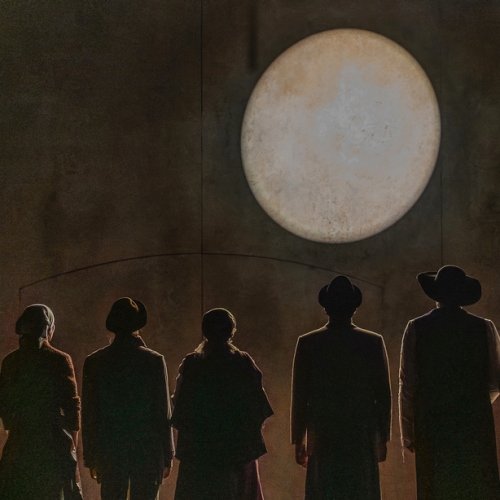
I Turcs tal Friùl
Pier Paolo Pasolini / Alessandro Serra
CREDITSdramaturgy, direction, set, sound, lighting, costumes Alessandro Serra
chants assistant Noemi Grasso
movement direction Chiara Michelini
assistant costume designer Francesca Novati
stage managers and stagehands Alberto Antonel and Luca Berettoni
sound engineer Alessandro Orrù
lighting Francesco Peruzzi
curated by Luca Giuliani and Roberto Calabretto
executive production CSS Teatro stabile di innovazione del Friuli Venezia Giulia,
with Teatri Stabil Furlan, Teatro Nuovo Giovanni da Udine and with Teatopersona
with the support of Regione Autonoma Friuli Venezia Giulia, Confindustria Udine and Banca 360 FVG
under the patronage of the University Università degli Studi di Udine
in collaboration with Centro Studi Pasolini di Casarsa della Delizia, ERT Ente Regionale Teatrale del Friuli Venezia Giulia, the Town Administrations of: Casarsa della Delizia and Gemona del Friuli, Associazione Icaro Volontariato Giustizia ODV
special thanks to the Teatro Nazionale Croato Ivan Zajc di Rijeka (HNK Ivana pl.Zajca u Rijeci)
a performance in Friulian with surtitles
The peasant who speaks his own dialect is the master of his entire reality.
Pier Paolo Pasolini
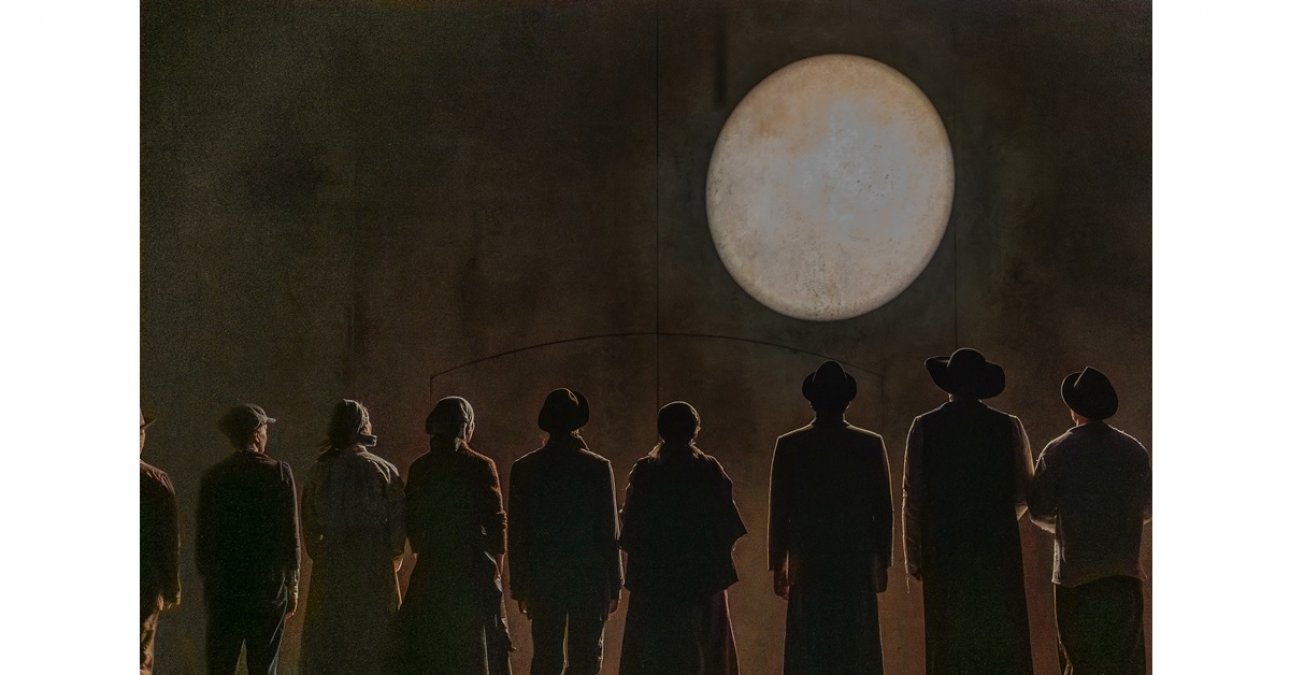
I Turcs tal Friùl is a tragedy.
In writing it, the young Pasolini drew inspiration from the oldest theatrical work in the Western tradition: “The Persians” by Aeschylus.
He composed it in a language learned as an adult, listening to peasants with a dictionary in hand.
It is not a phonetic text, but a poetic one — and therefore, in some sense, musical.
Every new staging bears the responsibility of inventing a soundscape capable of emancipating itself from any comforting vernacularism.
Pasolini spent his twenties in a fascist country occupied by Nazis: what was to be done?
Wait in church, praying, or take action among the forests and mountains?
He chose to remain, while his younger brother joined the partisans and was killed by fellow partisans.
In Turcs, Pauli stays behind, while his younger brother, Meni, goes to meet his death:
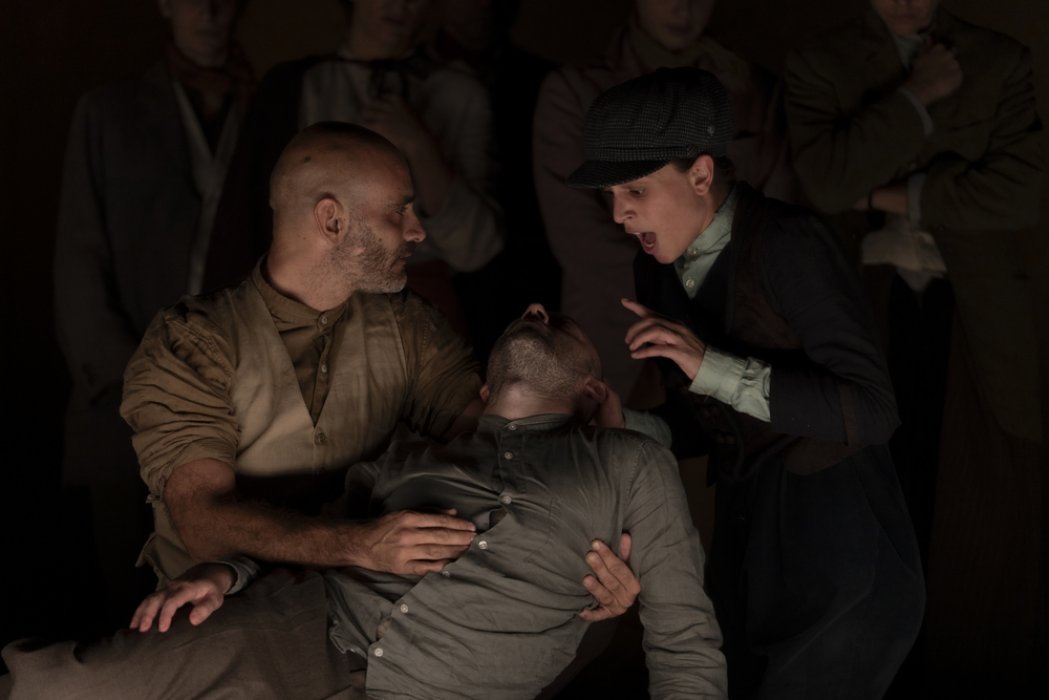
he returns as a corpse in a scene of perfect tragedy.
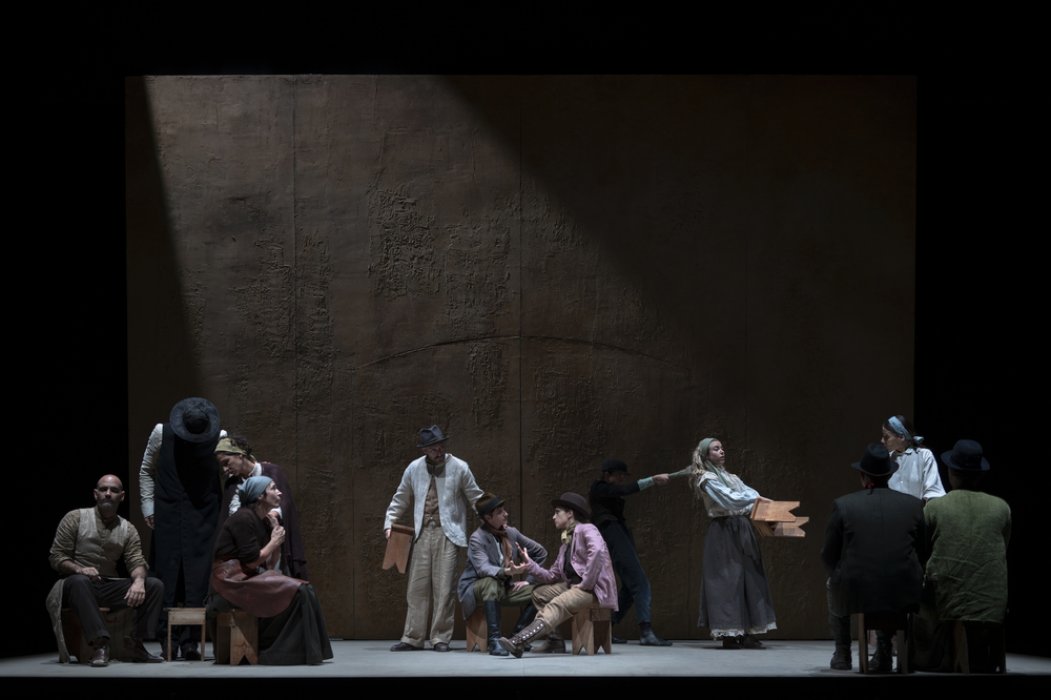
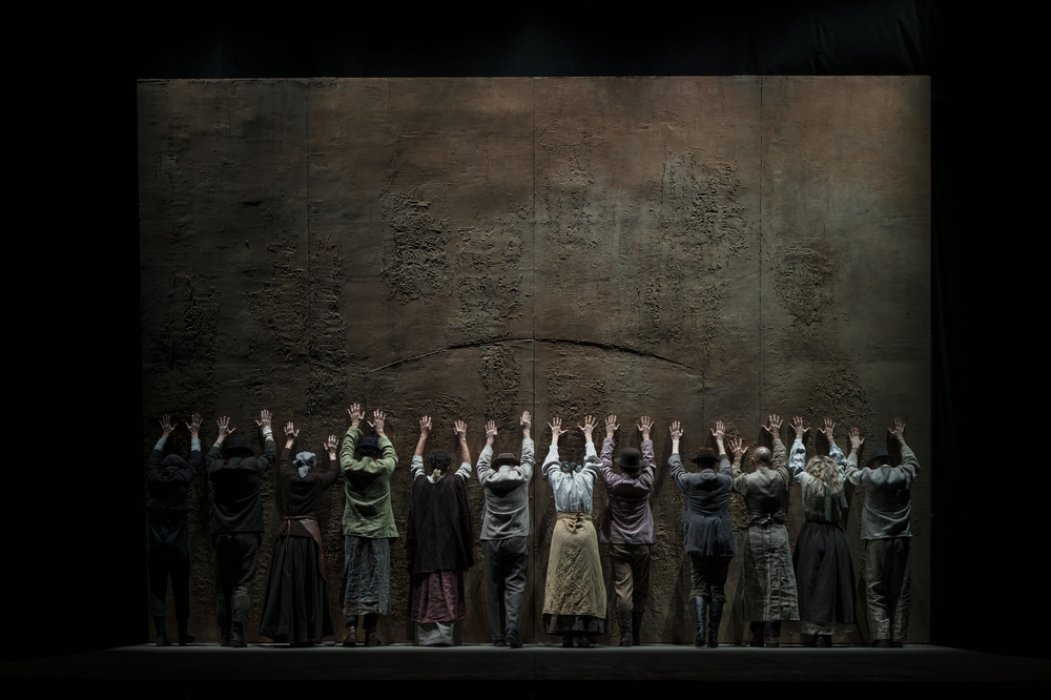
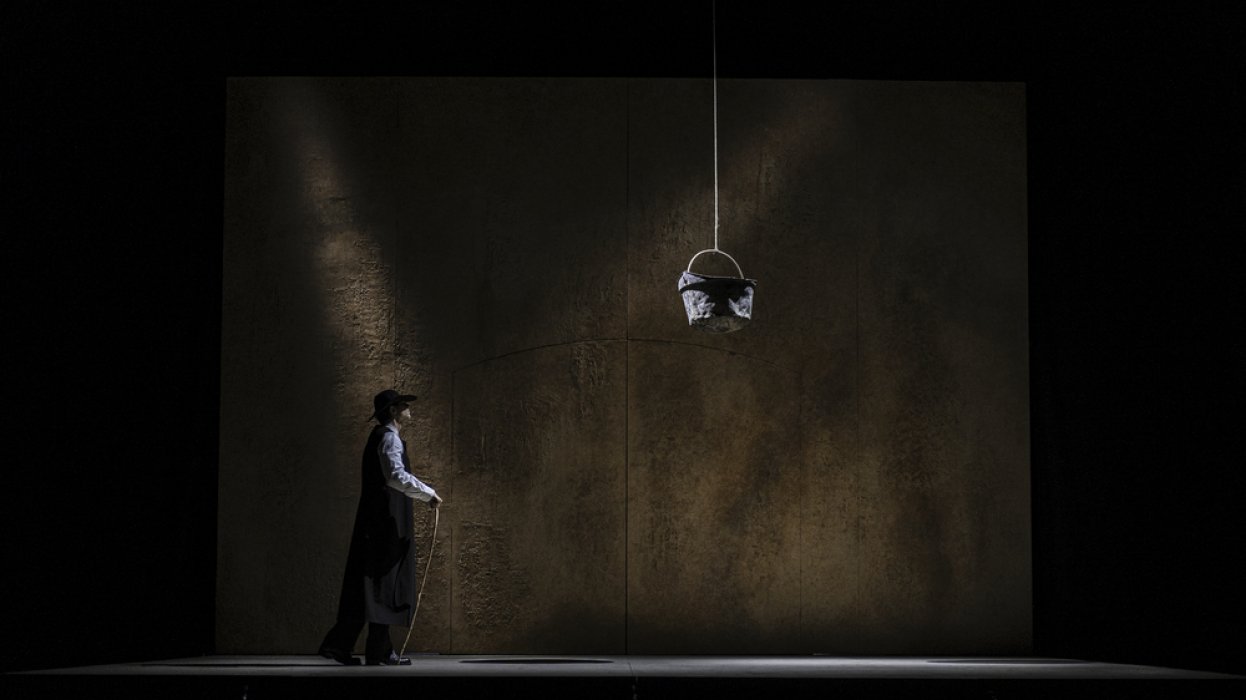
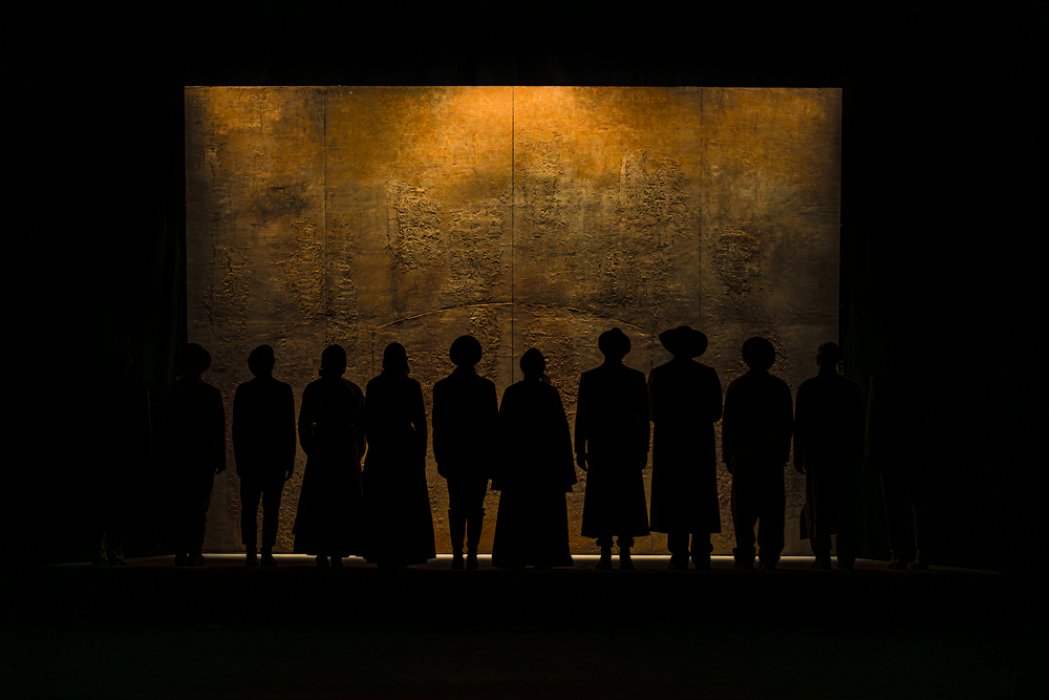
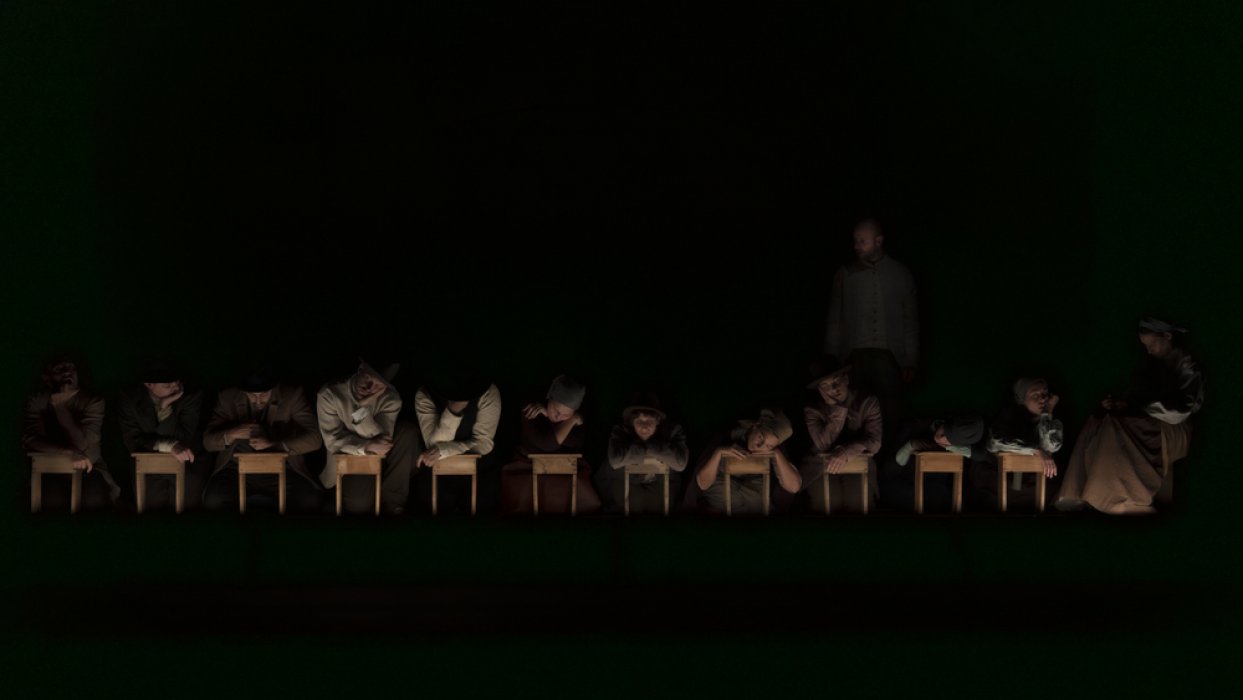
The polis is present in Turcs: the sacredness of the village gathered around the little church, a surrogate for the altar of Dionysus placed at the centre of the orchestra.
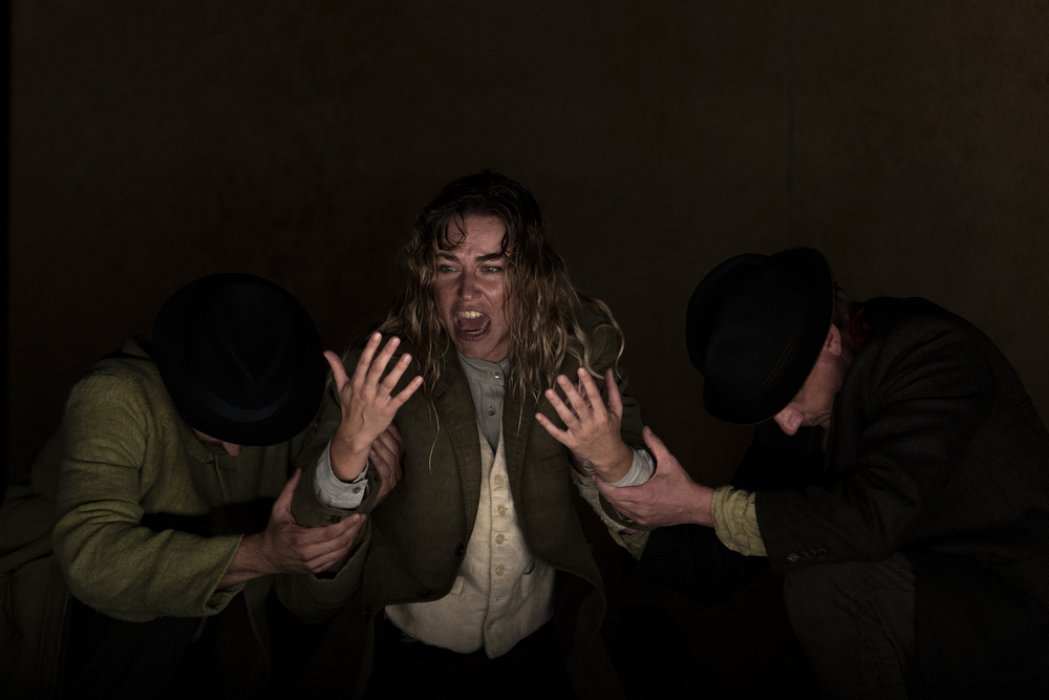
The horror of the invader destroys, violates, and enslaves.
Music permeates Turcs — sacred and Catholic throughout the work. Yet from within it emerges the Ottoman chant of the Turkish chorus, to which Pasolini dedicates his most lyrical verses.
Religious conflict runs through the work, but above all a musical opposition emerges between a Catholic culture of resignation and the sacred blasphemy of a people capable, the day after an earthquake, of numbering the stones and beginning to rebuild.
It is the same blasphemy uttered by Meni, echoed in the ending scene by Pauli who, before his brother’s corpse, with the last breath in his poor Christian chest, blasphemes against the Virgin Mary.
It is this Blasphemy that unleashes the terrible wind which halts the Turks.
The priest is left with only one word to say: Amen.
Alessandro Serra
Images
Press reviews
Fernando Marchiori, La tragedia riconsegnata al suono - ateatro.it, mercoledì 23 settembre 2026 [1156 Kb]Graziano Graziani, Quando il verso era un canto. I Turcs tal Friùl di Alessandro Serra - teatroecritica.it, martedì 22 settembre 2026 [604 Kb]Enrico Fiore, Pasolini, il vento della bestemmia contro i Turchi - controscena.net, lunedì 14 settembre 2026 [581 Kb]Alessandro Serra, I Turchi siamo noi (o ne siamo complici) - Il Sole 24 Ore, domenica 6 settembre 2026 [1204 Kb]Alessandro Serra, Si schiude la rosada - Corriere della Sera, la Lettura, 21 giugno 2026 [1075 Kb]Tour
national premiere11-12 September 2026 h 20.30
Udine, Teatro Nuovo Giovanni da Udine
tour
20 October 2026 h 20.45
Cervignano del Friuli (UD), Teatro Pasolini
21 October 2026 h20.45
Casarsa della Delizia (PN), Teatro Pasolini
22 October 2026 h20.45
Gemona del Friuli (UD), Teatro Sociale